
6 ideas to take your family reunion from drab to fab
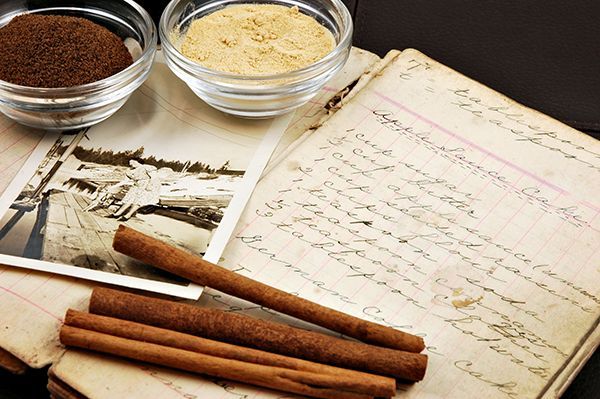
A family reunion is a great way to bring your family together to celebrate and keep your families history alive, relive old memories, recognize accomplishments and new additions. Family reunions are a time when many joyful memories are made and laughs are shared at this once-a-year bash. To help you create a family reunion that people will remember for years to come. We rounded up seven ideas that will help you plan a reunion in the digital age, create family traditions and take creative family group photos.

1.    Capture food memories

Create a family recipe book using favorite recipes from each. Collect the recipes in advance and put them into a document. You could use Google docs and share the working document so family members can add their recipes. Include food and family-related photos to give the book a little visual interest. Get the book printed and bound. It would be a good idea to ask family members to chip in for the printing, or take orders for the in advance to pay for it. The importance of recording and remembering these recipes can be enormous in creating a lasting legacy for the people we love. 

2.    Get social!

For many families, mom, dad, and even grandma are on Facebook. Why not take advantage of the time family spends on the social network by creating a family Facebook group. Technology has made it easier than ever for families to stay in touch long after the family reunion. After creating a group, upload photo albums and share documents in the group for the whole family to visit throughout the year.  

Post information about next year’s reunion.  When people see the photos of last years reunion, it will remind them how much fun they had, and it may influence their decision to attend the next one.

3. Family swap meet 

We all have gently used items sitting around taking up space in our closets and kids closets. Why not have a family swap meet at your next reunion? Families can donate their kids' best-outgrown clothes, books, and toys at the Family Swap Meet. Who knows, your junk or clutter could be your cousins newest treasure!

4. Reunion Bingo

The quirky categories of this get-to-know-you game will prompt conversation and plain old silly fun. To play, print out our bingo cards below and give one to each family member. 

See a free printable Family Reunion Bingo card here

5. Break the ice with a joke!

“The only reason why I’m speaking right now is because Grandma bribed me with pie so I would say something nice.” Whether you’re writing a funny family reunion announcement letter or planning your welcome speech, here are some funny jokes to sprinkle in, followed by a few joke writing tips if you want to show off your own comedic talent. 

6. 21st-Century Reunion Tools

There are so many free, online tools to help your next plan family reunion. Take a look at a few of these for inspiration: 

  • MyEvent : Choose from a variety of templates to build a free reunion website. Send invitations, track responses, and accept online payments or donations.
  • Mobile Family Tree 7: Gather everyone's info in this app, and it will generate a family tree, a historical timeline, and a set of statistics to share via e-mail or social media. Find out more about this app on the iTunes store or Google Play.
  • Stories etc.: This free app walks users through a series of questions and saves the answers via audio, video, or text onto a smartphone or tablet for a great family memento. 

7. Strike a pose!

Whether you plan on hiring a professional photographer or if a family member wants to take their stab at photography, be inspired by over 1,000 creative family reunion group photo ideas

April 13, 2026
In recent years, the phrase “celebration of life” has become more common when families are planning services for a loved one. While many people have heard the term, there can still be confusion about what it truly means and how it differs from a traditional funeral. At its heart, a celebration of life is not about replacing tradition, but about offering a more flexible, personalized way to honor and remember a life. A celebration of life is a personalized service that focuses on honoring the unique story, personality, and legacy of the individual who has passed. While it can be held in a variety of locations, many families choose to gather in the comfort of a funeral home chapel, where they have both guidance and the ability to customize the experience. These services most often take place after cremation, which allows families more time to plan and create a meaningful tribute. However, every family’s preferences are different, and services can be arranged in whatever way feels most appropriate. No two celebrations of life are exactly the same, because no two lives are the same. One of the most meaningful aspects of a celebration of life is the ability to incorporate personal touches that reflect the life being honored, even within a chapel setting. Families may choose to include themed elements that represent a loved one’s passions, hobbies, or personality. This could be as simple as displaying favorite photos and memorabilia, or as unique as incorporating colors, music, or décor that reflect what they loved most in life. Memory tables, tribute videos, and customized music selections can all be seamlessly incorporated into a chapel service. Some families also invite guests to participate by sharing stories or bringing items that hold special meaning. This blend of personalization within a supportive, structured environment often provides both comfort and creativity during a difficult time. A celebration of life offers families the opportunity to gather in a familiar, supportive setting while creating a service that truly reflects their loved one. By combining the comfort of a chapel with the flexibility of personalization, it becomes a meaningful way to honor a life and share memories with those who matter most. There is no right or wrong way to plan a service. The most important thing is creating a space that feels genuine, supportive, and reflective of the person being remembered.
March 2, 2026
Many of us take our freedoms for granted, but our staff proudly acknowledges the sacrifices made by those who have served our country through their patriotism, love of country and willingness to protect others. We are committed to providing quality service and professional assistance to help families complete the necessary forms to obtain benefits that are provided through the United States Department of Veterans Affairs (VA). Here are some frequently-asked questions about benefits. What kinds of benefits are available? Granted to eligible Veterans in appreciation for the service they have provided for our country, benefits can include a burial allowance to help cover the burial, funeral and transportation costs associated with the deceased’s services and disposition. For those being buried in a national cemetery, survivors can receive assistance with the burial and funeral costs, the plot or internment, and the transporting of the veteran’s remains for burial. Additionally, Veterans may be eligible for a military funeral honors and committal service, and memorial items such as a cemetery headstone, marker, medallion, Presidential Memorial Certificate, plaque, or urn. Specific qualifications will need to be met to receive these benefits and memorial items. Who qualifies for burial benefits and burial in a national cemetery? Veterans, service members, spouses, and dependents may be eligible for burial in a VA national cemetery, as well as other benefits, if they meet one of the general requirements listed below. For complete requirements, please visit the VA burials and benefits page , and find a local VA national cemetery here . · A veteran who didn’t receive a dishonorable discharge · A service member who died while on active duty, active duty for training, or inactive duty for training · The spouse or minor child of a veteran, even if the veteran died first · In some cases, the unmarried adult dependent child of a veteran What are military funeral honors and a committal service? Military funeral honors include the playing of “Taps,” a rifle detail, a color guard and uniformed service members who properly fold and present the United States flag to the grieving family. These flags are typically given to the deceased’s next of kin or close friend. In order for the survivors to qualify to receive the burial flag, the veteran or reservist must be described by at least one of the following: · Served in wartime · Died while serving on active duty after May 27, 1941 · Served after January 31, 1955 · Served in peacetime and left military service before June 27, 1950, after serving at least one enlistment or because of a disability that was caused - or made worse - by their active military service · Served in the Selected Reserves, or served in the military forces of the Philippines while in service of the United States and died on or after April 25, 1951. As a Veteran, how do I apply for benefits? You can apply to find out in advance if you’re eligible for burial in a VA national cemetery. This is called a pre-need determination of eligibility—and it can help make the burial planning process easier for your family members in their time of need. Learn how to apply for a preneed determination of eligibility. As a surviving family member, how do I apply for benefits? As a surviving family member, you must file a claim for a non-service-connected burial allowance within two years after the veteran’s burial or cremation. There is no time limit to file for a service-connected burial, plot or interment allowance. You can apply online or by mail after completing the VA Form 21P-530. A veteran who didn’t receive a dishonorable discharge or a service member who died while on active duty may be eligible for a headstone or marker if they meet certain requirements. To find out if your deceased loved one qualifies for a cemetery marker and to apply, visit this site . For more information regarding VA burial benefits and memorial items, visit the VA's website or call the VA office at 1-800-827-1000.
February 2, 2026
Inflation affects nearly every part of daily life, from groceries and utilities to health care and housing. One area that is often overlooked is funeral and cremation planning. Like most services, these costs tend to increase over time. Preplanning provides a thoughtful way to prepare while reducing both financial and emotional stress in the future. More people are choosing to make arrangements in advance, not only to ensure their wishes are clearly known, but also to help protect their families from rising costs and difficult decisions during an already emotional time. The Reality of Rising Costs Funeral and cremation services include many components influenced by inflation, such as professional care, facilities, transportation, materials, and regulatory requirements. As these expenses increase, waiting to make arrangements can result in higher costs for families who may be unprepared to manage them, both emotionally and financially. Planning ahead allows you to make decisions calmly and deliberately, rather than facing rushed choices during a time of loss. Addressing Today’s Prices One benefit many people appreciate about preplanning is the ability to address pricing in advance and reduce uncertainty about future costs. Preplanned arrangements may be funded in full or paid over time, giving you the flexibility to choose an option that fits your budget and personal situation. This approach helps make planning more approachable and manageable. To help protect pricing, arrangements are typically financially secured through full payment or an approved payment plan. This helps ensure that the services you choose today remain in place in the future, even as costs change. Reducing Financial Stress for Loved Ones One of the most meaningful benefits of preplanning is the consideration it shows for those you care about. When a death occurs, families are often required to make many decisions in a short amount of time. Having arrangements already in place removes much of that burden. By planning ahead, you relieve your loved ones from financial uncertainty and clearly document your wishes. This allows them to focus on honoring your life and supporting one another instead of worrying about costs or decisions. A Thoughtful Part of Long Term Planning Preplanning final arrangements is similar to creating a will or setting aside savings. It is an important step in long term planning. It gives you the opportunity to take control, ask questions, and make informed choices without pressure. Many people find comfort in knowing their plans are documented, their preferences are clear, and inflation is less likely to affect the value of the arrangements they have chosen. Peace of Mind for Today and Tomorrow Ultimately, preplanning is about peace of mind. It provides reassurance that your wishes are understood, your family is supported, and important details are handled thoughtfully.  If you have been considering planning ahead, our team is here to share information, explain options, and answer questions whenever you are ready. A simple conversation today can bring comfort and confidence for years to come.
January 13, 2026
Prepaid funeral plans are often misunderstood. While some people worry about cost, flexibility, or security, the truth is that funeral preplanning can offer peace of mind and financial protection when arranged through a reputable provider. Below are common myths about prepaid funeral plans—and the facts families should know. Myth 1: Your Money Is Better Off in the Bank Fact: Funeral costs increase over time. A prepaid funeral plan locks in today’s prices on many funeral services and merchandise, helping protect your family from inflation and future cost increases. Myth 2: You’ll Lose Your Money If a Funeral Home Closes Fact: Prepaid funeral plans are regulated by state law. Funds are typically placed in a trust or insurance policy, not held by the funeral home. If a provider closes, the funds can usually be transferred to another funeral home. Myth 3: Moving Makes Your Plan Useless Fact: Most prepaid funeral plans are transferable. If you relocate, your plan can often be moved to another funeral provider, ensuring your arrangements remain in place. Myth 4: Life Insurance Covers Funeral Expenses Fact: Life insurance payouts can take weeks or months, while funeral costs are due immediately. Prepaid funeral plans are specifically designed to cover final expenses at the time of need. Myth 5: The Plan Won’t Work Unless It’s Fully Paid Fact: Many funeral preplanning arrangements provide coverage as soon as payments begin, as long as the account stays current. Your selected services are typically guaranteed. Myth 6: Preplanning Means High-Pressure Sales Fact: Funeral preplanning should be educational and voluntary. Reputable providers focus on honoring your wishes—not selling unnecessary products. Why Prepaid Funeral Planning Makes Sense Locks in funeral costs Reduces financial stress on loved ones Ensures your wishes are clearly documented Protects against rising funeral expenses Prepaid funeral planning is a thoughtful way to support your family and take control of your final arrangements. Contact us to get started.
More Posts »

More Resources & Support